
What A1C Actually Measures — and What It Can Miss
A1C is one of the most useful numbers for understanding blood sugar, but it is still an average. Here is what the test actually measures — and what it cannot tell you.
A1C is one of the most useful numbers for understanding blood sugar, but it is still an average. Here is what the test actually measures — and what it cannot tell you.
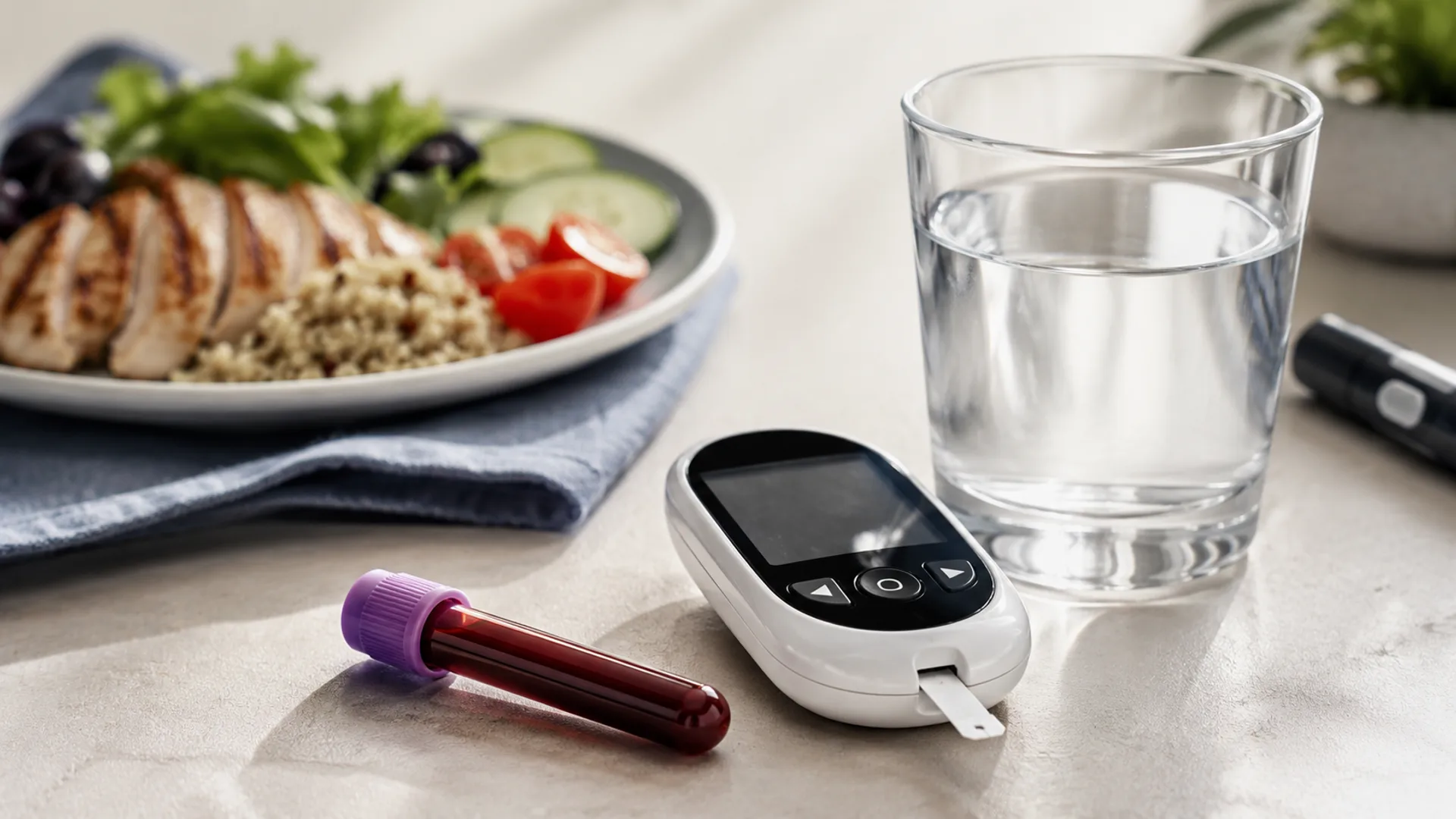
Your A1C can look good while your morning glucose runs high — or fasting glucose can look normal while it spikes after meals. These numbers measure different things.

You haven't eaten all night, yet your glucose is higher when you wake up. The explanation has less to do with breakfast than with your liver and early-morning hormones.

Insulin resistance doesn't work the same way everywhere. What goes wrong in muscle differs from what happens in the liver — and fat cells may influence both.

Five common approaches to lowering blood sugar, compared on effectiveness, safety, cost and whether you could realistically stick with them.

A short walk after eating sounds too simple to matter. But controlled studies suggest that moving while glucose is entering the bloodstream meaningfully reduces the post-meal rise.

Skeletal muscle is one of the body's major destinations for glucose. As muscle becomes harder to maintain with age, preserving and using it matters more for blood sugar control.

One short night won't change your A1C, but controlled experiments show that a single night of restricted sleep can temporarily reduce insulin sensitivity and raise glucose.
Every article here is built from published research and recognized clinical guidance, with sources listed at the bottom of the page. We say what the evidence supports and where it stops.
Read our editorial standards Ronan DemaillyA1C Diet Founder



Practical, sourced writing on blood sugar and metabolic health. One email a week.
One email a week. Unsubscribe any time. See our privacy policy.
